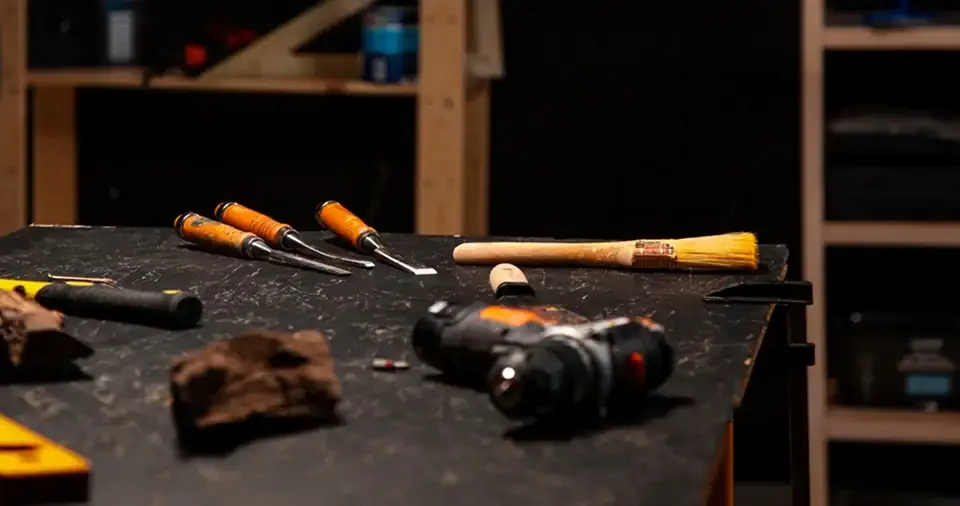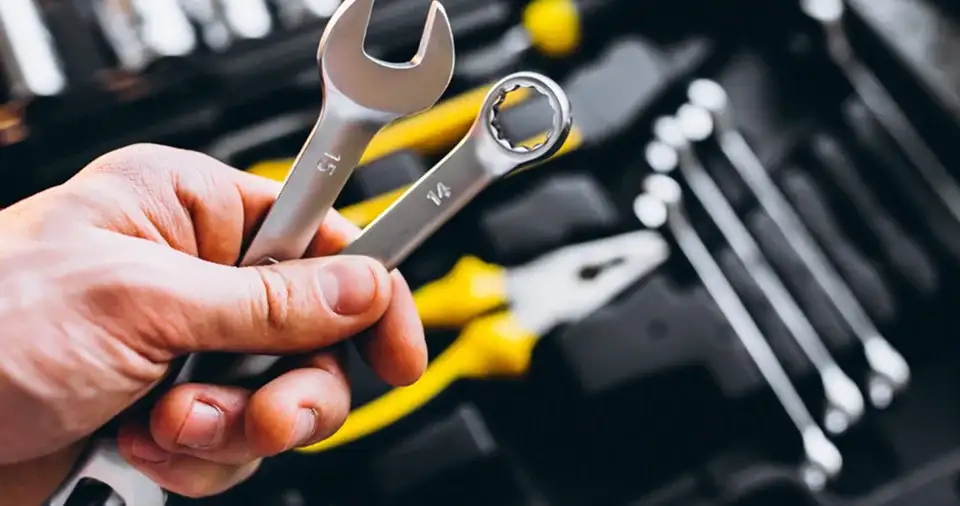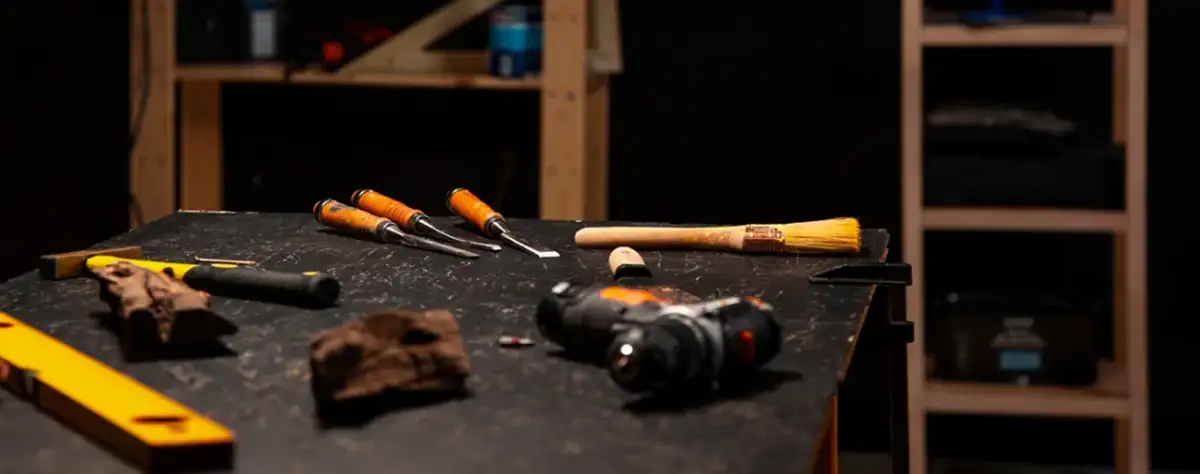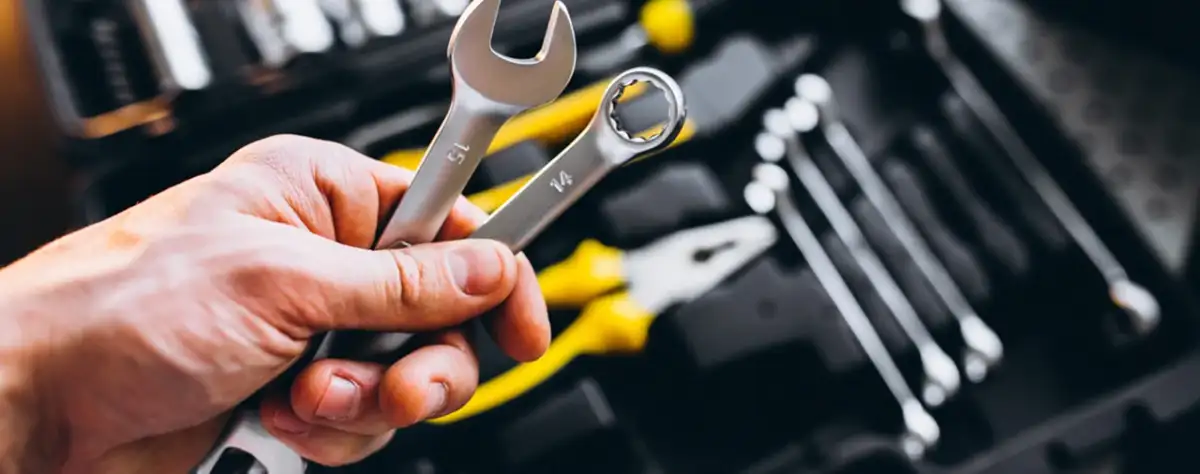







Choosing the right drill can be a challenge, especially for those starting their journey into DIY. In this article, we will present a comprehensive guide to help you make the right decision.
Types of drills - basic differences
There are various types of drills available on the market, each designed for different applications. Understanding their differences is the first step towards making the right choice.
- Hammer drill - ideal for working with concrete and masonry, it features a hammer function that makes drilling into hard materials easier.
- Cordless drill - a versatile tool for drilling and screwing, perfect for working with wood and metal.
- Rotary hammer - a professional tool for intensive work in concrete, with a powerful hammer mechanism.
- Cordless drill - offers mobility and convenience without the need for a power outlet.

Key technical parameters
When choosing a drill, it's important to pay attention to several key technical parameters that affect performance and comfort of use.
- Motor power - the higher the power, the easier it is to drill into hard materials. For home use, 500-800W is sufficient.
- Rotational speed - the ability to adjust speed allows you to tailor the tool to different materials.
- Torque - determines the force with which the drill can operate, important for screwing and drilling.
- Chuck type - a quick-release chuck significantly facilitates bit changes.
- Weight and ergonomics - a lighter tool means less fatigue during extended use.

Choosing the right drill can be a challenge, especially for those starting their journey into DIY. In this article, we will present a comprehensive guide to help you make the right decision.
Buying advice
Before making a purchase decision, it's worth considering several aspects that will help you choose the best drill for your needs.
Key questions before buying
- What materials will you be drilling most often?
- How frequently will you use the tool?
- Do you need mobility (cordless) or do you prefer more power (corded)?
- What is your budget and do you plan to expand your toolset?
Summary
Choosing the right drill is an investment that should be well thought out. Remember, the most expensive option is not always the best for your needs. The key is to understand your own requirements and match the tool's parameters accordingly.
We hope this guide helps you make the right decision. If you have any additional questions, feel free to contact our specialists or visit our physical store.
Working with aluminum demands precision, speed control, and the right approach. Whether you are building custom modular framing, fabricating sleek panels, or assembling premium aluminum furniture, a standard woodworking drill setup just won’t cut it. Aluminum is soft enough to stick to drill bits if it gets too hot, yet tough enough to require consistent, steady pressure.
Choosing the right drill can make the difference between a pristine, professional finish and a damaged workpiece. In this comprehensive guide, we will break down exactly what you need to look for when selecting a drill for your aluminum projects.
Types of Drills: What Works Best for Aluminum?
Not all power tools are created equal when it comes to metalworking. Understanding how different drills handle aluminum will help you make the right choice for your workshop.
Hammer Drills & Rotary Hammers: Avoid these for aluminum projects. These are designed for shattering concrete and masonry. Using a hammer function on aluminum will mar the surface, ruin your drill bits, and distort the metal.

Summary
Choosing the right drill for aluminum fabrication is an investment in the quality of your final product. The most expensive high-power demolition drill won’t help you here; instead, look for precision, excellent speed modulation, and reliable torque control. By matching these parameters to your workflow, you’ll ensure clean cuts, pristine finishes, and a seamless assembly process.
We hope this guide helps you choose the perfect tool for your workshop. If you have any additional questions about tool compatibility or aluminum fabrication techniques, feel free to contact our product specialists today!