




Equipping your workshop with the right tools is only the first step. When working with aluminum, tool maintenance looks a bit different than it does in a standard woodworking or heavy steel shop. Because aluminum is a soft, ductile metal, it doesn't just wear tools down through friction—it clogs blades, builds up intense heat, and leaves behind a fine, highly static dust that can wreak havoc on power tool motors. If you want to keep your miter saws, routers, drills, and premium bits performing like new for years, a disciplined maintenance routine is non-negotiable. Here is how to protect your investment and ensure your gear always delivers a flawless, burr-free finish.
Master the Art of Clearing "Built-Up Edge" (BUE)
The single biggest threat to your cutting and drilling tools isn't dullness—it's gallting. Because aluminum has a low melting point, friction during cutting causes microscopic particles of the metal to melt and weld themselves directly onto the teeth of your saw blades or the flutes of your drill bits. This is known as Built-Up Edge (BUE).
-
The Danger: Once aluminum sticks to your tool, the tool stops cutting and starts tearing, generating massive amounts of heat that can permanently ruin the heat treatment of your carbide teeth or HSS bits.
-
The Maintenance Fix: Regularly inspect your blades and bits. If you see silver buildup, do not scrape it off with steel tools, which can chip the cutting edges. Instead, use a specialized blade cleaner or a chemical solvent designed to dissolve resin and pitch, paired with a stiff brass wire brush to safely clean the teeth.

Protect Your Precision Surfaces from Marring
Your non-marring clamps, soft vise jaws, and aluminum guide rails are critical for keeping your workpieces scratch-free. However, if they aren't maintained, they will eventually turn against you.
-
The Problem: Tiny, razor-sharp aluminum shards and splinters love to embed themselves into the rubber pads of clamps, the nylon faces of soft jaws, and the felt or plastic undersides of track saw rails. The next time you clamp down on a pristine aluminum profile, those embedded shards will deeply scratch your material.
-
The Maintenance Fix: Wipe down all clamping surfaces and guide tracks with a microfiber cloth after every project. Use a piece of high-tack tape or a lint roller to draw out any microscopic metal splinters trapped in rubber or foam pads.

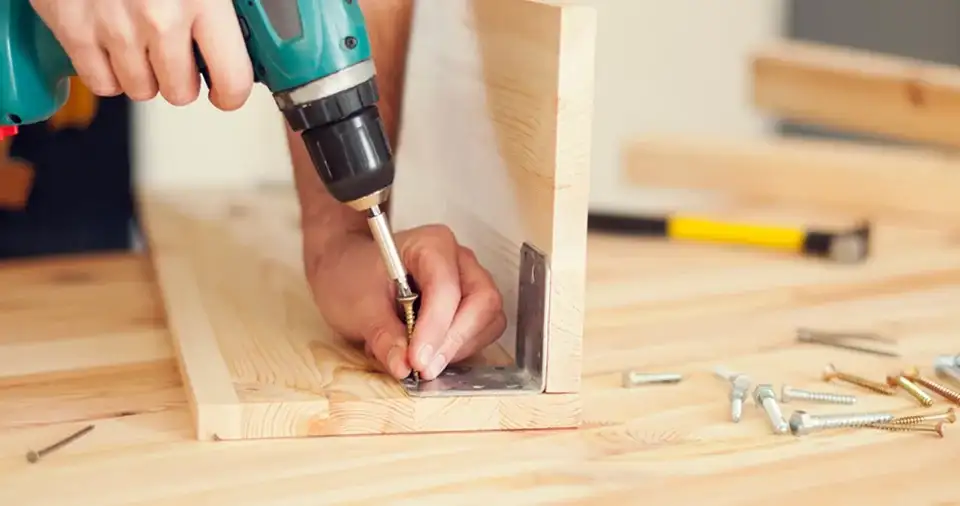
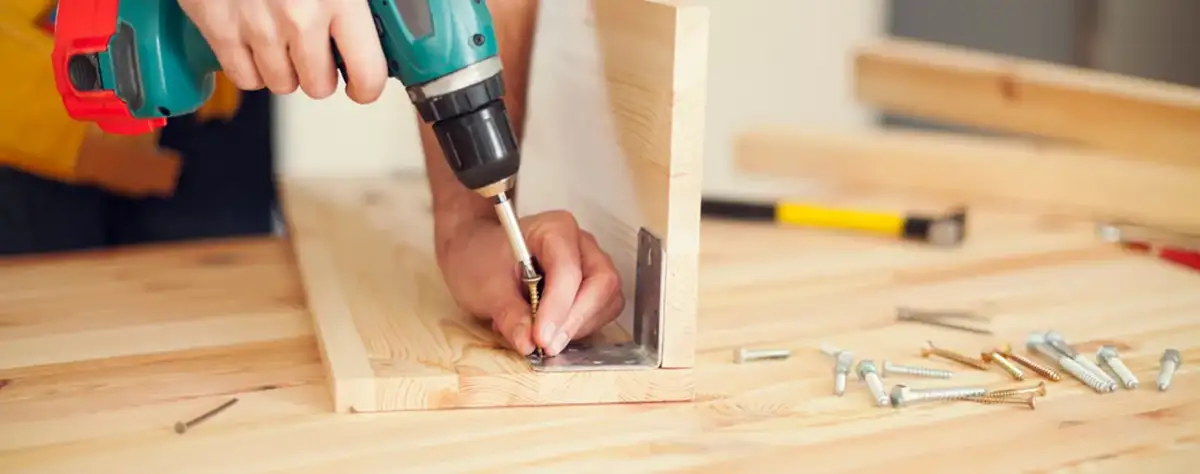
Choosing the right drill can be a challenge, especially for those starting their journey into DIY. In this article, we will present a comprehensive guide to help you make the right decision.
Keep Files and Deburring Tools Clean
Aluminum files are designed with specific tooth patterns to shear away metal cleanly. However, because aluminum is soft, it quickly clogs the gaps between the teeth—a process called pinning. A clogged file will slide right over the metal, rendering it useless and causing you to apply uneven pressure that can bend thin profiles.
-
The Maintenance Fix: Never use a standard wire brush on a fine mill file. Instead, use a dedicated file card (a specialized brush with short, stiff wire bristles) and stroke it strictly parallel to the file’s teeth to clear out the pinned aluminum. For stubborn pieces, a brass pick can be used to manually slide the debris out of the groove.
Prevent Oxidation and Lubricate Regularly
While aluminum itself doesn't rust, the cast iron tables of your miter saws, drill presses, and the steel components of your hand tools absolutely do. Furthermore, the moving parts of your tools need specialized lubrication that won't attract the very dust you are trying to avoid.
The Maintenance Fix: Avoid using heavy oils or wet lubricants on tool tables and adjustment gears, as they turn aluminum dust into an abrasive paste that grinds down moving parts. Instead, apply a dry PTFE (Teflon) spray or a high-quality paste wax. This creates a slick, protective barrier that repels moisture and allows metal dust to be wiped away effortlessly.
By treating tool maintenance as a standard part of your fabrication process, you don't just save money on replacement blades and burnt-out motors—you guarantee that every cut, drill, and joint you make maintains the strict precision that premium aluminum craftsmanship demands.